Peyronie’s disease causes the formation of fibrous scar tissue—known as plaque—inside the penis, leading to curved or painful erections that can significantly affect both physical comfort and intimate relationships. For men throughout Los Angeles and Southern California experiencing penile curvature, pain during erection, or difficulty with intercourse, specialized care can make a meaningful difference in restoring function and confidence.
Dr. Padra Gad Nourparvar is a board-certified physician with over a decade of clinical experience in men’s health. His practice, located within the Cedars-Sinai Medical Office Towers in Los Angeles, provides comprehensive evaluation and individualized treatment plans for Peyronie’s disease—from initial diagnosis through ongoing management. “Peyronie’s disease affects each patient differently, and there is no single treatment that works for everyone,” explains Dr. Nourparvar. “My approach is to understand each patient’s specific situation, discuss all available options, and develop a plan that addresses their goals and concerns.”
The procedure went great and there was almost no pain. While in recovery the doctor was very responsive and helpful when it came to making sure my recovery went smoothly. Very Professional.
What Is Peyronie’s Disease?
Peyronie’s disease is a connective tissue disorder characterized by the development of fibrous plaque within the tunica albuginea—the tough, elastic tissue that surrounds the erectile chambers of the penis. This plaque prevents the affected area from stretching normally during an erection, causing the penis to bend or curve toward the side where the plaque has formed. The condition affects an estimated 1 in 11 men, though many cases go unreported due to embarrassment or lack of awareness that effective treatments exist.
Peyronie’s disease typically progresses through two phases. During the acute phase—which may last 6 to 18 months—the plaque is actively forming, and patients often experience pain during erections as the curvature develops or worsens. In the chronic or stable phase, the plaque has matured, pain typically subsides, but the curvature remains. Treatment options differ depending on which phase a patient is in, making accurate evaluation essential.


Recognizing the Signs of Peyronie’s Disease
Men with Peyronie’s disease may experience a range of symptoms that develop gradually or appear suddenly after trauma to the penis:
- Difficulty with Intercourse: curvature severe enough to make penetration painful, difficult, or impossible for the patient or their partner
- Penile Curvature: a noticeable bend in the erect penis—upward, downward, or to either side—that may worsen over time before stabilizing
- Palpable Plaque: a firm, flat area of scar tissue that can be felt under the skin of the penis, often at the point of maximum curvature
- Pain During Erection: discomfort or aching in the penis during erection, particularly common during the acute phase of the disease
- Erectile Dysfunction: difficulty achieving or maintaining an erection, which may result from the physical changes caused by plaque or associated vascular issues
- Shortening of the Penis: some men notice a reduction in penile length as a result of the scarring and curvature
Comprehensive Evaluation and Diagnosis
Accurate diagnosis is the foundation of effective Peyronie’s disease treatment. During your consultation, Dr. Nourparvar conducts a thorough evaluation that includes a detailed medical history, physical examination to assess plaque location and characteristics, and measurement of curvature degree. In some cases, duplex Doppler ultrasound may be recommended to evaluate blood flow and further characterize the plaque. Understanding whether you are in the acute or stable phase of Peyronie’s disease—along with the severity of curvature and any associated erectile dysfunction—directly influences which treatment options are most appropriate.
Treatment Options for Peyronie’s Disease
Treatment for Peyronie’s disease depends on the phase of the condition, degree of curvature, presence of erectile dysfunction, and each patient’s individual goals. Dr. Nourparvar offers a range of evidence-based options:
Xiaflex® (Collagenase Clostridium Histolyticum)
Xiaflex is the only FDA-approved, non-surgical treatment for Peyronie’s disease in men with stable disease, a palpable plaque, and curvature of 30 degrees or greater. This injectable medication contains enzymes that break down the collagen in Peyronie’s plaque, allowing the body to absorb the scar tissue over time. Treatment involves a series of injections paired with penile modeling procedures and at-home stretching exercises. Clinical trials demonstrated that approximately 75% of men experienced at least a 25% improvement in curvature.
Shockwave Therapy
Low-intensity extracorporeal shockwave therapy (LI-ESWT) uses acoustic waves to stimulate blood flow and tissue remodeling. While primarily used for erectile dysfunction, some studies suggest shockwave therapy may help reduce pain and improve tissue characteristics in Peyronie’s disease. This non-invasive treatment is performed in-office and may be considered as part of a comprehensive management plan.
Traction Therapy
Penile traction devices apply consistent, gentle stretching over time to help reduce curvature and potentially restore length lost to Peyronie’s disease. Traction therapy may be used alone during the acute phase or in combination with other treatments during stable disease.
Integrated Erectile Dysfunction Management
Because erectile dysfunction frequently accompanies Peyronie’s disease, comprehensive treatment often addresses both conditions simultaneously. Dr. Nourparvar offers ED evaluation and treatment options—including oral medications, shockwave therapy, and testosterone optimization when indicated—to help restore overall sexual function.
What to Expect from Treatment
The timeline for improvement varies depending on the treatment approach and individual patient factors. Non-surgical treatments like Xiaflex typically require multiple treatment cycles over several months, with gradual improvement in curvature occurring as the plaque breaks down. Patients should understand that while treatment can significantly reduce curvature and improve function, complete elimination of curvature is not always achievable. Dr. Nourparvar discusses realistic expectations during the initial consultation and monitors progress throughout treatment to ensure optimal outcomes.

Frequently Asked Questions About Peyronie’s Disease Treatment
-
The exact cause is not fully understood, but Peyronie’s disease is believed to result from repeated minor trauma to the penis during sexual activity or other physical activity. Genetic factors, connective tissue disorders, and certain health conditions may increase risk.
-
In a small percentage of cases—approximately 5 to 15 percent—mild curvature may improve without treatment. However, most cases either remain stable or worsen without intervention, which is why evaluation is recommended.
-
Men should consider evaluation when they notice penile curvature, pain during erection, a palpable lump in the penis, or difficulty with intercourse. Early assessment helps determine the phase of the disease and appropriate treatment timing.
-
Treatment experiences vary. Xiaflex injections may cause temporary discomfort, swelling, and bruising at the injection site. Non-invasive options like shockwave therapy are generally well-tolerated with minimal discomfort.
-
Yes. Many men with Peyronie’s disease also experience erectile dysfunction, either from the physical changes caused by plaque or from associated vascular issues. Addressing ED as part of comprehensive treatment is often beneficial.
-
Many commercial insurance plans cover Peyronie’s disease treatment, including Xiaflex. Our office can help verify your coverage and discuss financial considerations during your consultation.

Why Choose Dr. Nourparvar in Los Angeles
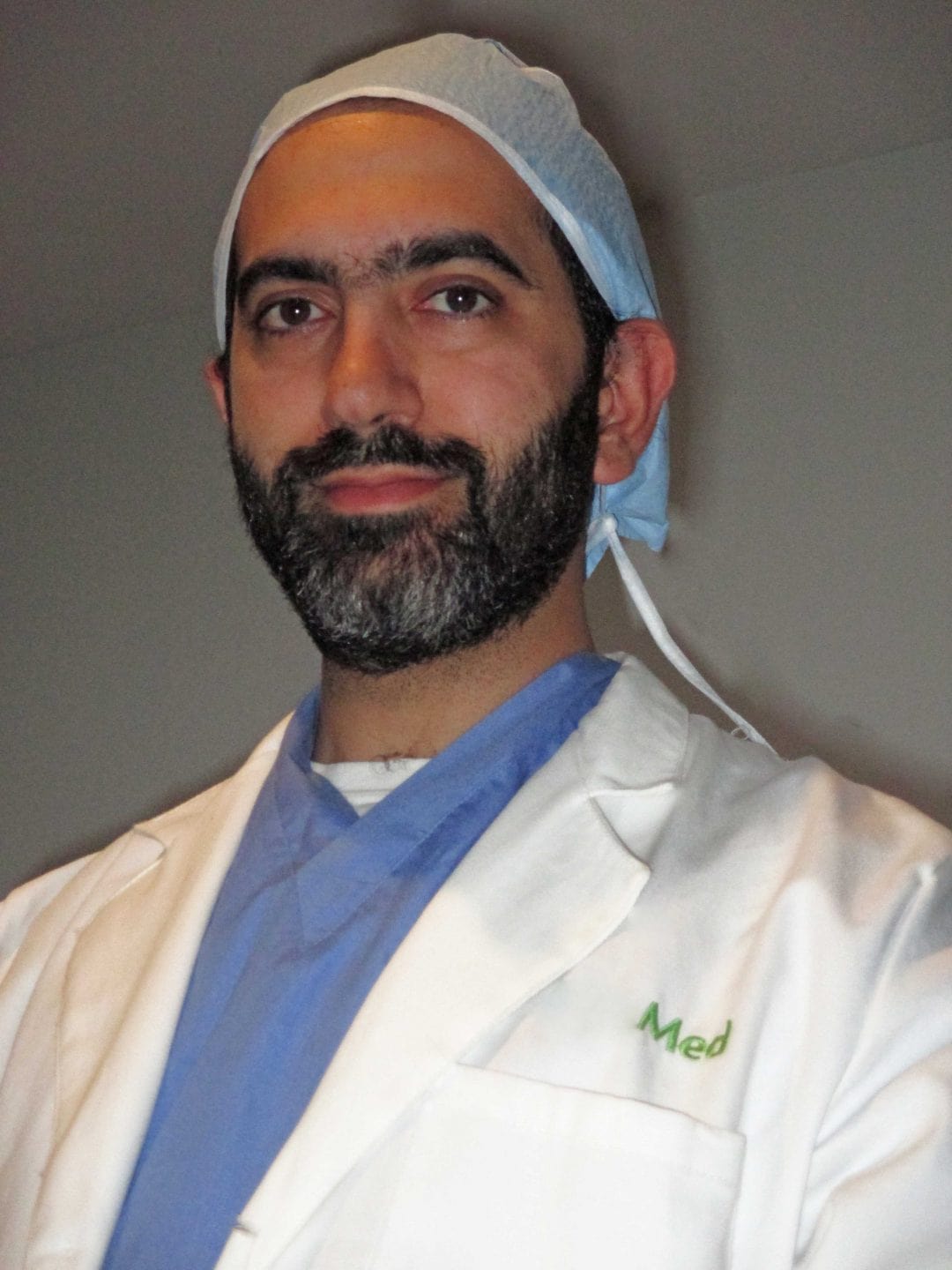
Patients throughout Los Angeles, Beverly Hills, Santa Monica, and surrounding communities trust Dr. Nourparvar for his clinical expertise, discretion, and patient-centered approach to men’s health. As a REMS-certified provider for Xiaflex and a recipient of the UCLA Vice Provost Award and Motif Award for Advancement in Health, he brings both specialized training and academic recognition to his practice. The private setting within the Cedars-Sinai Medical Office Towers ensures confidentiality and access to hospital-grade resources for every patient.
Stem Cell & PRP Institute of L.A.
Premier center for regenerative medicine under the leadership of Dr. Padra Nourparvar, a nationally recognized, double board-certified physician with advanced medical training from UCLA, UC Irvine, NYU, and Mount Sinai, we specialize in cutting-edge stem cell therapies designed to restore function, reduce inflammation, and elevate long-term quality of life.
Dr. Nourparvar has received numerous accolades, including the UCLA Vice Provost Prize for Best Research Article of the Year and the Motif Award for Advancement of Health from The Walt Disney Company. With over a decade of experience treating conditions such as kidney failure, stroke, Parkinson’s disease, and more, he brings a rare combination of technical skill and human compassion to every patient encounter.
Schedule a Confidential Consultation in Los Angeles
If you are experiencing symptoms of Peyronie’s disease – including penile curvature, pain during erection, or difficulty with intercourse – contact our Los Angeles office to schedule a private evaluation. Dr. Nourparvar will conduct a thorough assessment, explain your treatment options, and work with you to develop a personalized plan focused on restoring your comfort, function, and quality of life.
Medically reviewed by Padra Nourparvar, DO on