
Chronic pelvic pain syndrome (CPPS) – also known as chronic prostatitis or NIH Category III prostatitis—affects an estimated 2 to 6 percent of men and can significantly diminish quality of life. The persistent discomfort, urinary symptoms, and impact on daily activities often leave patients frustrated after seeking care from multiple providers without relief. For men throughout Los Angeles and Southern California, Dr. Padra Gad Nourparvar offers a thorough, patient-centered approach to diagnosing and managing this challenging condition.
Dr. Nourparvar is a board-certified physician with over a decade of clinical experience treating complex men’s health conditions. His practice within the Cedars-Sinai Medical Office Towers provides a private, professional environment where patients receive individualized evaluations and evidence-based treatment plans. “Chronic pelvic pain syndrome is not a one-size-fits-all condition,” explains Dr. Nourparvar. “Each patient presents differently, and effective treatment requires identifying the specific factors contributing to their symptoms.”
The procedure went great and there was almost no pain. While in recovery the doctor was very responsive and helpful when it came to making sure my recovery went smoothly. Very Professional.

What Is Chronic Pelvic Pain Syndrome?
Chronic pelvic pain syndrome is characterized by pelvic or perineal pain lasting three months or longer in the absence of a bacterial infection. Unlike acute bacterial prostatitis, CPPS does not respond to standard antibiotic therapy because bacteria are not the underlying cause in most cases. The condition may involve inflammation of the prostate, pelvic floor muscle dysfunction, nerve irritation, or a combination of factors. Symptoms can range from mild discomfort to debilitating pain that affects work, relationships, and overall well-being.
Common Symptoms of CPPS
Men with chronic pelvic pain syndrome may experience a range of symptoms that vary in intensity and location:
- Pelvic and Perineal Pain: persistent aching or discomfort in the area between the scrotum and rectum, lower abdomen, or groin
- Genital Discomfort: pain or pressure in the testicles, penis, or pubic region
- Urinary Symptoms: increased frequency, urgency, difficulty starting urination, or burning sensation during urination
- Post-Ejaculatory Pain: discomfort during or after ejaculation, which is considered a hallmark symptom of CPPS
- Radiating Discomfort: pain that spreads to the lower back, thighs, or buttocks

Comprehensive Evaluation and Diagnosis
Because CPPS can mimic other conditions—including urinary tract infections, benign prostatic hyperplasia, and interstitial cystitis—accurate diagnosis requires a careful evaluation. Dr. Nourparvar conducts a detailed medical history review, physical examination including digital rectal examination, and laboratory testing to rule out bacterial infection and other potential causes. In some cases, additional imaging or specialized assessments may be recommended. The goal is to identify the specific phenotype of each patient’s condition, which guides treatment selection.

Multimodal Treatment Approach
Research consistently shows that CPPS responds best to a multimodal treatment strategy—one that addresses multiple contributing factors simultaneously rather than relying on a single therapy. Dr. Nourparvar may incorporate several evidence-based approaches based on each patient’s clinical presentation:
- Alpha-Blocker Therapy: medications such as tamsulosin can help relax muscles around the prostate and bladder neck, improving urinary flow and reducing symptoms in many patients
- Anti-Inflammatory Agents: nonsteroidal anti-inflammatory medications may help reduce pain and inflammation as part of a comprehensive management plan
- Pelvic Floor Physical Therapy: for patients with muscle tension or trigger points, specialized physiotherapy targeting the pelvic floor has demonstrated significant benefit in clinical studies
- Phytotherapy: natural supplements such as quercetin and cernilton (pollen extract) have shown efficacy in randomized trials and may be incorporated into treatment
- Neuromodulation and Pain Management: for patients with significant nerve-related pain, targeted therapies and nerve blocks may provide relief
- Lifestyle Modifications: dietary changes, stress management, and aerobic exercise can support symptom improvement and overall well-being
What to Expect from Treatment
Managing chronic pelvic pain syndrome requires patience and collaboration. Because the condition often develops over months or years, symptom improvement typically occurs gradually rather than immediately. Dr. Nourparvar works closely with each patient to monitor progress, adjust therapies as needed, and address any concerns that arise during treatment. Many patients experience meaningful improvement when they commit to a comprehensive, multimodal approach.
Frequently Asked Questions About Chronic Pelvic Pain Syndrome
-
The exact cause is often unclear and may involve a combination of factors including pelvic floor muscle dysfunction, nerve irritation, inflammation, and psychological stress. CPPS is not caused by an ongoing bacterial infection in most cases.
-
Unlike bacterial prostatitis, CPPS does not respond to antibiotic therapy because bacteria are typically not present. Repeated courses of antibiotics are not recommended for patients with established CPPS and negative cultures.
-
Treatment duration varies depending on symptom severity and individual response. Some patients notice improvement within weeks, while others require several months of multimodal therapy to achieve significant relief.
-
Yes. Many men with CPPS experience post-ejaculatory pain, reduced libido, or erectile difficulties. Addressing these concerns is an important part of comprehensive treatment.
-
CPPS is classified as NIH Category III prostatitis, but it differs from bacterial prostatitis because there is no active infection. The term “chronic prostatitis” is often used interchangeably with CPPS.
-
Some patients achieve lasting relief after an initial treatment period, while others benefit from maintenance strategies to prevent symptom recurrence. Dr. Nourparvar will discuss long-term management options based on your response to treatment.

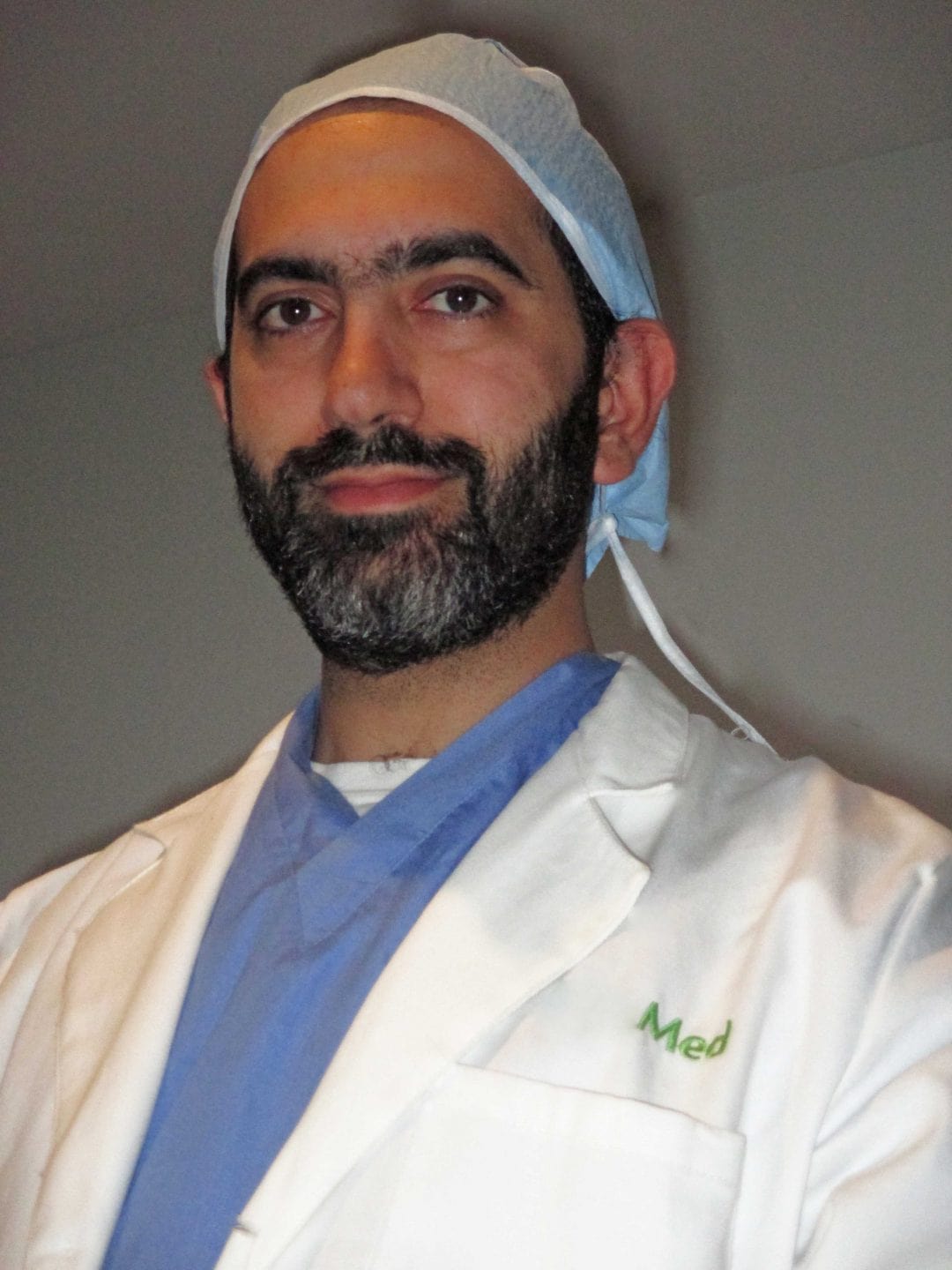
Why Choose Dr. Nourparvar for Pelvic Pain Care
Patients throughout Los Angeles, Beverly Hills, Santa Monica, and surrounding areas trust Dr. Nourparvar for his clinical expertise, thorough approach, and genuine commitment to patient well-being. Recognized with the UCLA Vice Provost Award and the Motif Award for Advancement in Health, he brings both academic excellence and compassionate care to his practice. The private setting within the Cedars-Sinai Medical Office Towers ensures discretion and access to hospital-grade resources.
Stem Cell & PRP Institute of L.A.
Premier center for regenerative medicine under the leadership of Dr. Padra Nourparvar, a nationally recognized, double board-certified physician with advanced medical training from UCLA, UC Irvine, NYU, and Mount Sinai, we specialize in cutting-edge stem cell therapies designed to restore function, reduce inflammation, and elevate long-term quality of life.
Dr. Nourparvar has received numerous accolades, including the UCLA Vice Provost Prize for Best Research Article of the Year and the Motif Award for Advancement of Health from The Walt Disney Company. With over a decade of experience treating conditions such as kidney failure, stroke, Parkinson’s disease, and more, he brings a rare combination of technical skill and human compassion to every patient encounter.
Schedule a Consultation for CPPS Treatment in Los Angeles
If you are experiencing chronic pelvic pain and have not found relief through previous treatments, contact our Los Angeles office to schedule a comprehensive evaluation. Dr. Nourparvar will take the time to understand your symptoms, identify contributing factors, and develop a personalized treatment plan focused on restoring your comfort and quality of life.
Medically reviewed by Padra Nourparvar, DO on